Kategorien
trading16

Becoming a Forex Trading Software Developer

Becoming a Forex Trading Software Developer

Becoming a Forex Trading Software Developer

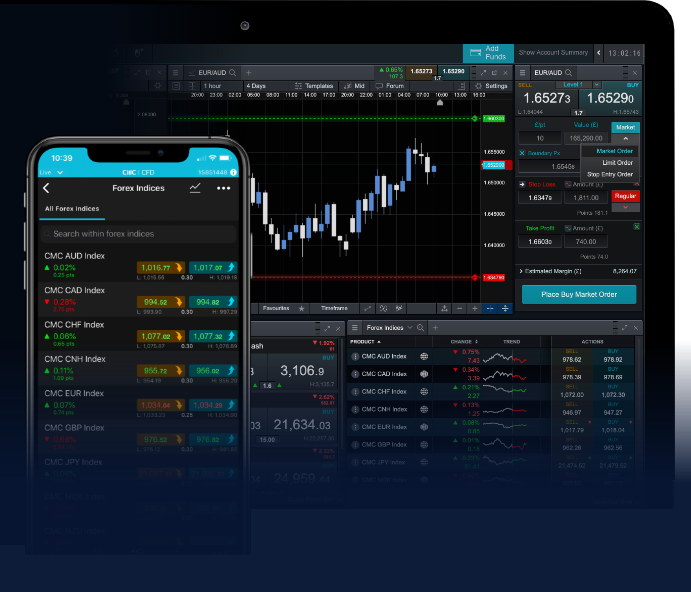
The Forex market is one of the largest and most liquid markets in the world, with trillions of dollars traded every day. To navigate this complex environment, many traders rely on sophisticated trading software systems. As a Forex trading software developer, you will play a crucial role in creating these tools, enhancing traders‘ abilities to analyze market trends, execute trades, and manage their portfolios effectively. forex trading software developer Trading Vietnam is an example of a platform benefiting from advanced trading algorithms and user-friendly interfaces.

Understanding the Role

A Forex trading software developer is responsible for designing and implementing software solutions that facilitate trading activities in the Forex market. This includes creating algorithms for automated trading systems, developing charting tools, and building user interfaces that allow traders to execute their strategies efficiently. The primary objective is to provide clients with robust, reliable, and innovative trading solutions that meet market demands.

Necessary Skills and Technologies

To succeed as a Forex trading software developer, you need a diverse skill set that encompasses both programming and financial knowledge. Here are some essential skills and technologies you’ll need to master:
Becoming a Forex Trading Software Developer
  • Programming Languages: Proficiency in languages such as C++, C#, Python, and Java is often required. These languages are commonly used for building trading platforms and backend systems.
  • Algorithm Development: Strong knowledge of algorithms is critical. You will need to develop efficient algorithms for trade execution and risk management.
  • Financial Markets Understanding: A solid understanding of how Forex markets operate, including trading strategies and risk management practices, is essential.
  • Data Analysis: Skills in data analysis and statistics are crucial for developing strategies based on historical performances and market trends.
  • API Integration: Familiarity with APIs, especially from brokerage firms, is needed to integrate trading functionalities into your software.
  • User Interface Design: Knowledge of user experience (UX) design principles will assist in creating intuitive interfaces that enhance trader interaction with the software.

The Development Process

The development process for Forex trading software often involves several stages:

  1. Requirement Gathering: Collaborate with stakeholders, including traders and business analysts, to understand their needs and requirements for the software.
  2. Design: Create a blueprint for the software, detailing architecture, user interface, and algorithms that will be used.
  3. Development: Write the code and build the software according to the design specifications. This includes both front-end and back-end development.
  4. Testing: Conduct rigorous testing to identify and fix bugs, and ensure the system performs reliably under different market conditions.
  5. Deployment: Launch the software for users, ensuring the infrastructure is capable of handling the expected load and performance requirements.
  6. Maintenance and Updates: Regularly update the software to fix issues, improve performance, and keep up with evolving market dynamics and user demands.

Tools and Technologies

Several tools and frameworks are commonly used in Forex trading software development:
Becoming a Forex Trading Software Developer
  • MetaTrader 4/5: Popular platforms among traders, these allow for custom script programming through MQL4/5, enabling automated trading capabilities.
  • Trading APIs: APIs from different brokers like OANDA, IG, or Interactive Brokers facilitate seamless integration for trading functionalities.
  • Databases: Knowledge of database management systems like MySQL and PostgreSQL is useful for storing transactional and historical data.
  • Version Control: Version control systems, notably Git, are essential for managing code changes and collaborating with other developers.

Challenges in Forex Trading Software Development

Like any other field in software development, Forex trading software has its own unique challenges that developers face:

  • Market Volatility: The Forex market can be highly volatile, necessitating robust software that can handle extreme conditions without failure.
  • Performance Optimization: Traders require low-latency software since even milliseconds can affect the profitability of trades.
  • Security: Ensuring the security of trading software is paramount. You must implement secure coding practices to protect sensitive financial data.
  • Regulatory Compliance: Staying compliant with financial regulations such as KYC (Know Your Customer) and AML (Anti-Money Laundering) is crucial for operational legitimacy.

Conclusion

Becoming a Forex trading software developer requires a unique blend of programming skills, financial knowledge, and problem-solving abilities. This field offers exciting opportunities to work at the cutting edge of technology and finance, providing innovative solutions to traders worldwide. With the right skills and dedication, you can make a significant impact in the Forex trading landscape and support traders‘ successes in one of the most dynamic markets globally.
Kategorien
trading16

Unlocking the Potential of Forex Software Trading 1755919907

Unlocking the Potential of Forex Software Trading 1755919907

In the ever-evolving landscape of financial markets, forex software trading Trading Uganda stands out as a premier platform that embraces modern technologies to enhance trading experiences. Among the myriad of developments in this space, forex software trading has emerged as a game-changer for both novice and experienced traders. This article will delve into the benefits, functionalities, and future trends of forex software trading, providing insights into how traders can optimize their performance and exploit market volatility.

What is Forex Software Trading?

Forex software trading refers to the use of various software tools and platforms to facilitate trading performance in the foreign exchange market. These tools range from automated trading systems, trading signals, analytic software, and robust charting tools. The primary objective is to improve the trading experience by enabling traders to make more informed decisions and execute trades with precision.

The Importance of Automation

One of the most significant advantages of forex software trading is automation. Automated trading systems, commonly known as Expert Advisors (EAs), allow traders to set specific parameters for executing trades without the need for manual intervention. This capability offers several benefits:

  • Time Efficiency: Traders can execute thousands of trades in a fraction of the time it would take to do manually.
  • Emotion-Free Trading: Automation eliminates emotional decision-making, which can often lead to poor trading outcomes.
  • Backtesting: Traders can test their strategies against historical data, ensuring that they are viable in varying market conditions.

Key Features of Forex Trading Software

When it comes to selecting forex trading software, several key features should be considered:

  • User-Friendly Interface: The software should be easy to navigate even for beginners.
  • Advanced Charting Tools: The ability to analyze data through complex charts is essential for making informed decisions.
  • Customizable Indicators: Traders should have the option to personalize indicators based on their strategies.
  • Risk Management Tools: Features for managing risk, such as stop-loss and take-profit orders, are crucial for long-term success.
  • 24/7 Customer Support: Reliable customer support can help resolve issues efficiently during trading hours.
Unlocking the Potential of Forex Software Trading 1755919907

Types of Forex Software

There are various types of forex trading software available to traders, each serving different needs and facilitating a diverse range of trading strategies.

1. Trading Platforms

Platforms like MetaTrader 4 (MT4) and MetaTrader 5 (MT5) are the most popular trading environments. These platforms provide tools for both manual and automated trading, including comprehensive charting capabilities, technical indicators, and customization options.

2. Forex Signal Services

Forex signal services provide traders with real-time alerts about possible trading opportunities. These services analyze the market and identify trends, which helps traders to capitalize on profitable situations.

3. Automated Trading Systems

As previously mentioned, automated trading systems enable trades to be executed automatically. These systems often use algorithms to identify buy and sell signals based on predefined criteria.

4. Trading Applications

Mobile trading applications have also gained popularity, allowing traders to monitor their accounts and execute trades from anywhere, at any time.

Unlocking the Potential of Forex Software Trading 1755919907

How to Choose the Right Forex Trading Software

Choosing the right software requires thorough research and consideration of personal trading styles. Here are some tips:

  • Identify Your Trading Style: Whether you prefer scalping, day trading, or swing trading, choose software that complements your style.
  • Read Reviews: Look for feedback from other traders to gauge software reliability and performance.
  • Trial Periods: Many platforms offer trial periods; use this opportunity to test their functionalities.
  • Consider Costs: Evaluate the pricing model, including any transactional fees or subscription costs associated with the software.

Understanding Market Trends with Forex Software

Forex software trading isn’t merely about executing trades; it’s also about understanding market trends. Most trading software comes equipped with analytical tools that enable traders to anticipate market movements. By analyzing price patterns, trends, and volatility, traders can seek to enter and exit positions at optimal times.

The Future of Forex Software Trading

The future of forex software trading looks promising, thanks to advancements in technology. Machine learning and artificial intelligence are being integrated into trading software, making analysis more accurate and predictive. Here are some emerging trends to watch:

  • AI-Powered Trading Bots: These bots analyze vast amounts of data to improve decision-making processes and execute trades intelligently.
  • Increased Use of Cryptocurrency: As cryptocurrencies gain traction, new trading software is being developed to incorporate these digital currencies into trading strategies.
  • Enhanced Security: With the increase in cyber threats, security features in forex trading software are becoming more robust.

Conclusion

Forex software trading offers a wealth of opportunities for traders willing to embrace technology. By understanding the nuances of different software options, traders can significantly enhance their market performance and achieve their financial goals. As the financial landscape continues to evolve, savvy traders will leverage these tools to gain a competitive edge, whether they are trading currencies, commodities, or even cryptocurrencies.